St-Hubert Pouding Chômeur Secrets: Real Maple Syrup vs Brown Sugar & Reheating Hacks (2026 Test)
Uncovering the Great Depression origins, the commercial syrup recipe truth, calorie counts, and the 3-step plate inversion technique that turns cold delivery into bubbling dessert heaven.
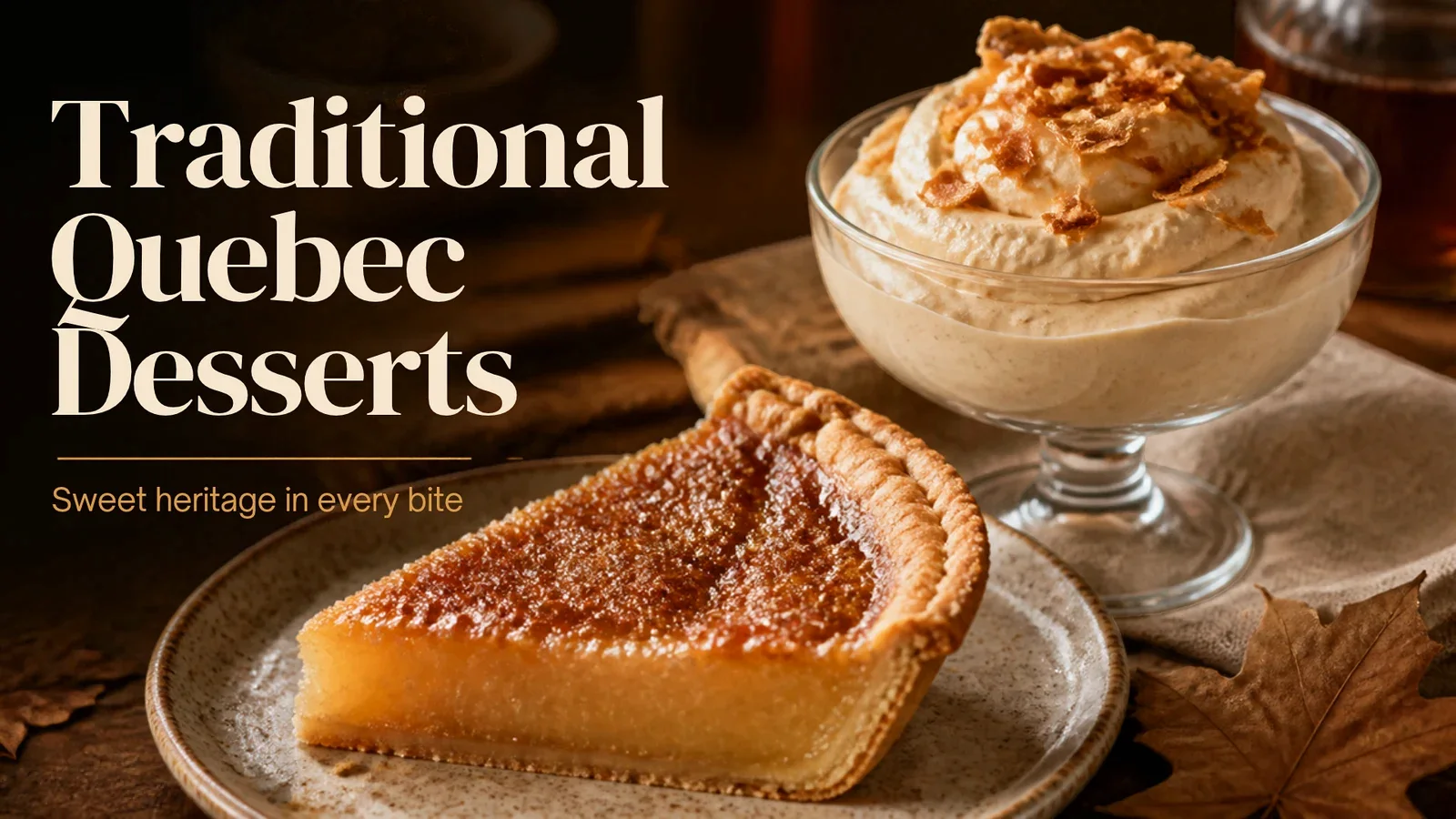
“In the pantheon of Quebec culinary heritage, alongside tourtière, cretons, and squeaky cheese curd poutine, stands one sacred sweet indulgence: pouding chômeur ('the unemployed man's pudding'). Born out of sheer economic desperation during the Great Depression of 1929 in the working-class tenements of Montreal, this deceptively humble dessert has evolved into an aristocratic staple of Quebec casual dining. At St-Hubert rotisseries, the pouding chômeur has held a permanent, unshakeable spot on the dessert menu for generations. Yet, dive into passionate food discussions on r/quebec or around family holiday tables, and two fierce debates consistently emerge: First, does St-Hubert use authentic, 100% pure Quebec maple syrup, or are diners paying for cheap brown sugar corn syrup? And second, why does delivery pouding chômeur always arrive as a lukewarm, dry sponge cake stranded above a congealed puddle of cold sugar? As Quebec food critics and home gastronomes, we put St-Hubert's iconic dessert to the test in our culinary lab to reveal the ingredient truth, analyze nutritional realities, and deliver the foolproof 3-step inversion hack that restores molten caramel glory to every takeout container.”
1. The 1929 Great Depression Origins: Montreal’s Sweetest Survival Food
To truly appreciate St-Hubert's pouding chômeur, one must understand the social history baked into its recipe. In October 1929, the global stock market crash threw thousands of French-Canadian factory workers onto Montreal's snowy streets. In impoverished working-class districts like Saint-Henri, Pointe-Saint-Charles, and the Faubourg à m'lasse, housewives had to feed large Catholic families with pennies.
Women devised an ingenious dessert using the cheapest dry goods available from the neighborhood grocer: white flour, lard or shortening, baking powder, a splash of milk, and brown sugar (cassonade). The culinary magic occurred during assembly: rather than mixing the syrup into the batter, a boiling mixture of brown sugar and hot water was poured directly over the raw, unbaked batter in a cast-iron pan.
Because the flour batter had a lower specific density than the heavy sugar water, the batter miraculously floated to the top during baking, developing a golden, pillowy cake crust while the syrup settled into a bubbling, molten caramel lake beneath. When St-Hubert expanded into full-service family dining in the 1960s, they adopted this beloved Quebec folk recipe, cementing it as the chain's flagship dessert.
Folk History Fact
Pouding chômeur was originally invented without maple syrup! Pure maple syrup was an agricultural luxury reserved for rural spring sugaring. Urban Montreal factory families used cheap commercial brown sugar or molasses.
2. Ingredient Investigation: Pure Maple Syrup or Brown Sugar Caramel?
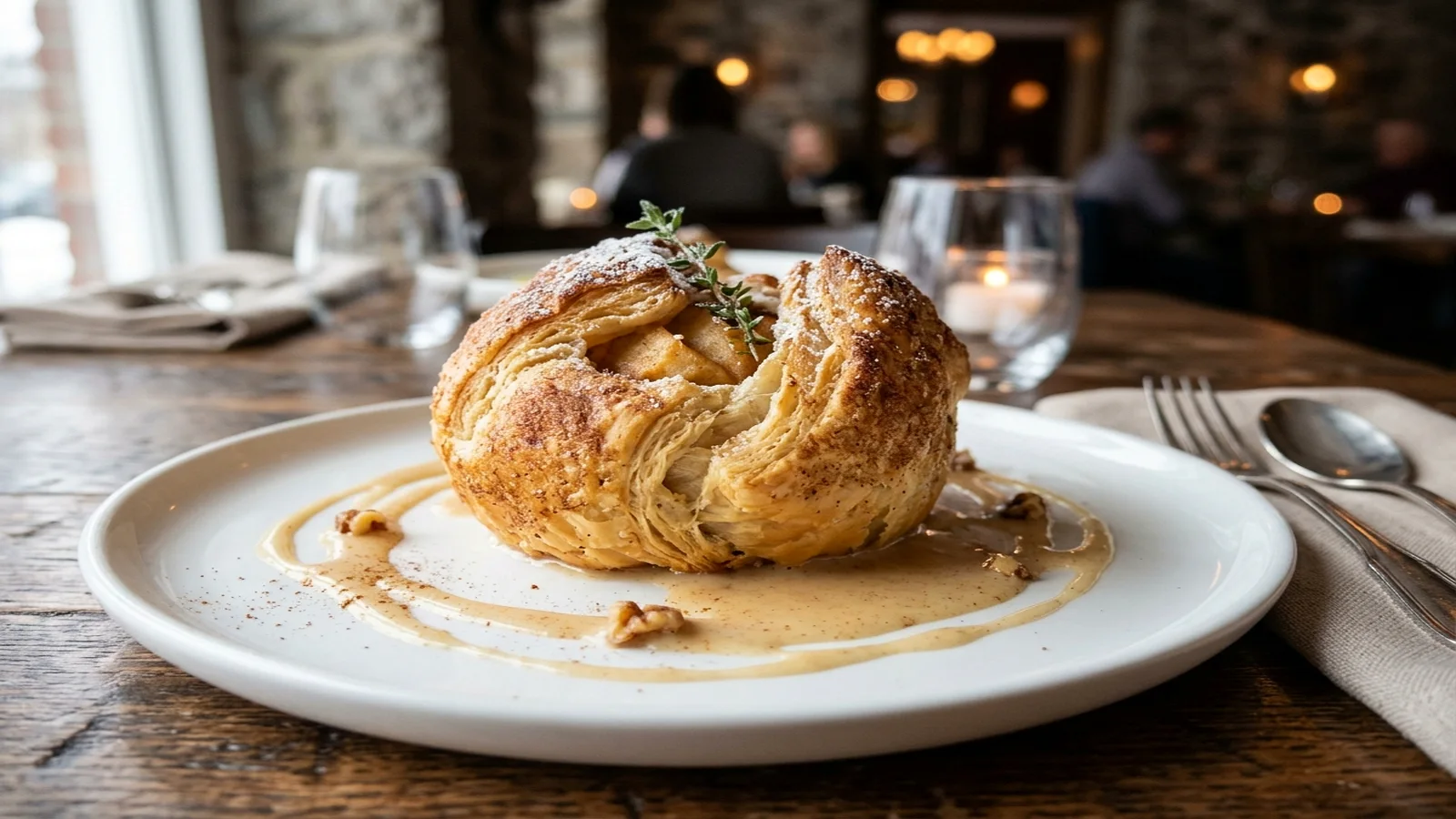
The single most persistent myth among Canadian diners is that St-Hubert's pouding chômeur is drenched in 100% pure Quebec maple syrup. On Reddit forums, customers regularly debate whether recent cost-cutting measures quietly replaced pure maple sap with cheap industrial glucose.
The definitive culinary truth: St-Hubert has NEVER used 100% pure maple syrup for its standard pouding chômeur. Doing so would violate the historical recipe and create severe operational challenges. Pure maple syrup has a thin water viscosity and a delicate boiling threshold. In commercial restaurant steam tables or high-heat warming lamps, pure maple syrup rapidly boils off its water content, crystallizing into grainy sugar or turning unpleasantly bitter and burnt.
Instead, St-Hubert utilizes a rich, heavy caramel sauce composed of brown sugar (cassonade), water, glucose-fructose syrup, dairy cream, butter, and natural maple flavoring. The glucose-fructose acts as an inverted sugar, preventing the caramel from forming crunchy sugar crystals, while the cream gives the sauce its signature velvety mouthfeel and amber translucence.
Far from being a modern corporate downgrade, this brown sugar-cream formulation is exactly what gives St-Hubert's dessert its nostalgic, buttery profile that distinguishes it from pure maple sugar pies (tartes au sucre).
3. The Delivery Dilemma: The Science of Congealed Sugar Sauce
If you order pouding chômeur for dine-in at a St-Hubert rotisserie, it arrives piping hot in a ramekin, with bubbling amber caramel bubbling around the edges of a warm sponge. But order the same dessert via takeout or delivery, and the experience is often disappointing.
Takeout pouding chômeur is packaged in a clear, high-density plastic cup. By the time the yellow delivery car reaches your doorstep, the ambient winter temperature has chilled the dessert. Because the dense sugar sauce settled at the bottom during baking, cooling causes the sucrose and glucose to thicken into a congealed, jelly-like paste.
When diners peel back the plastic film and dig in with a spoon from the top, they encounter a dry, lukewarm vanilla cake, while 80% of the sauce remains trapped, cold and unspread, at the bottom of the cup. Eating it this way is an insult to Quebec gastronomy—and easily avoidable with a 60-second kitchen technique.
The Takeout Mistake
Never eat takeout pouding chômeur straight out of the plastic tub! The cake and sauce are separated by gravity. Without proper inversion and heat, you are eating dry sponge with a cold sugar plug.
4. The 3-Step Inversion Reheating Hack: Restoring Molten Perfection
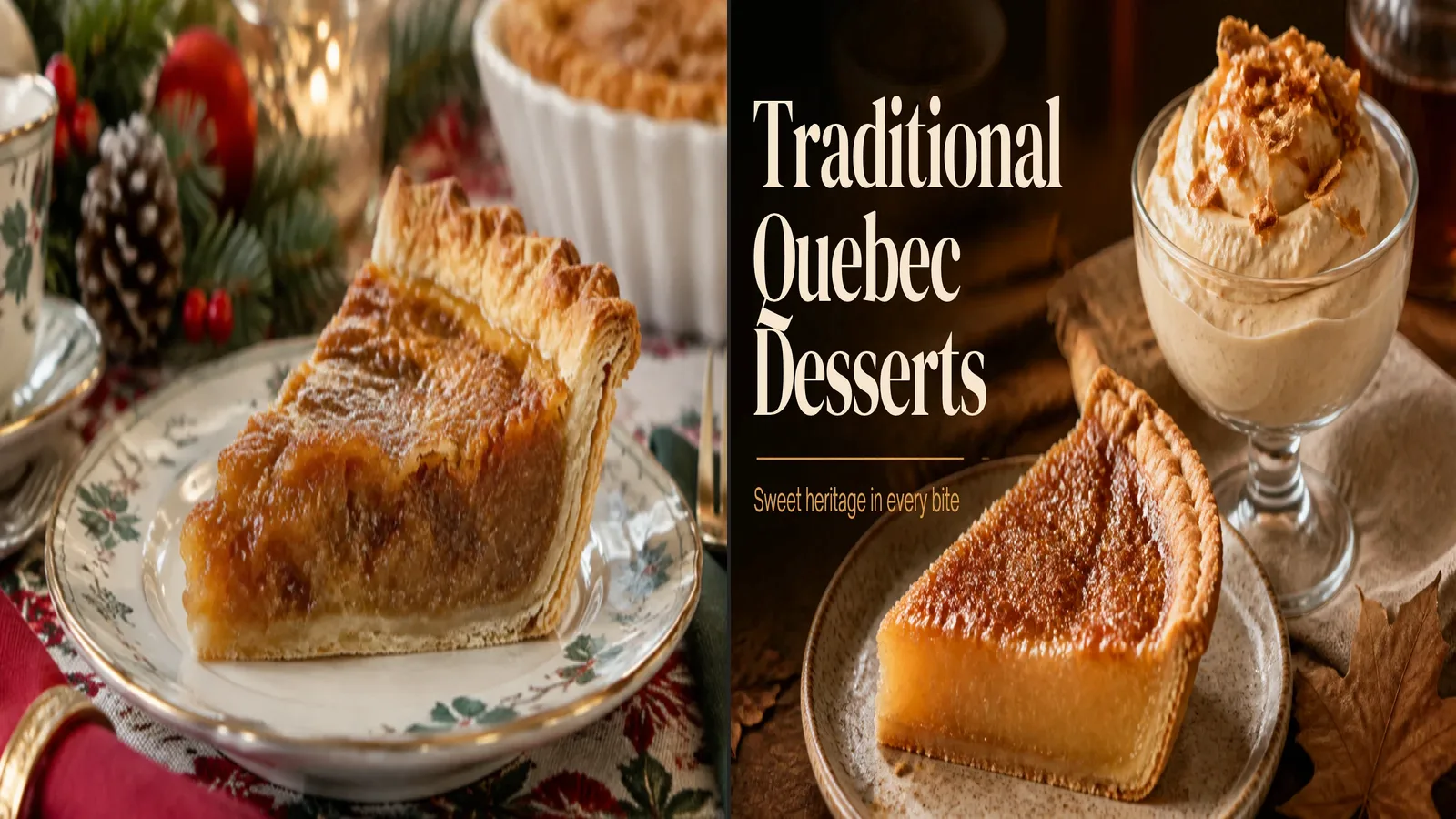
To transform a chilled takeout container into a bubbling, restaurant-grade masterpiece that rivals a rustic sugar shack feast, you must reverse the gravitational separation that occurred during cooling. Here is our tested 3-step masterclass:
Step 1: The Plate Inversion. Remove the clear plastic lid. Run a thin butter knife along the inner rim of the plastic cup to release the sponge cake. Place a shallow, microwave-safe ceramic bowl or dessert plate directly over the opening of the container, firmly press both together, and flip the entire assembly upside down. Gently squeeze the sides of the plastic cup until the dessert slides out onto the plate. You now have the sponge cake resting securely on the bottom, with the thick layer of congealed amber caramel crowning the top.
Step 2: The Cascading Microwave Melt (50% Power). Place the inverted dessert into the microwave. Do not blast it at full 100% power, which will boil the sugar violently and scorch the edges while leaving the center cake cold. Instead, set the microwave to 50% power (medium) and heat for 40 to 45 seconds (or 25 to 30 seconds at high power for a smaller unit). Watch through the door: as the caramel liquefies, it will gently melt and cascade downward over the sponge cake, soaking into every porous crumb.
Step 3: The Cold Cream Contrast (The Chef’s Touch). While the dessert is steaming hot, crown it with either a generous scoop of real vanilla bean ice cream or 2 tablespoons of ice-cold 35% heavy whipping cream poured directly over the center. The contrast between the scorching hot, buttery brown-sugar cake and the freezing, un-sweetened heavy cream is the ultimate hallmark of authentic French-Canadian dessert indulgence.
5. Supermarket 4-Pack vs Restaurant Dine-In: A 65% Price Savings
For dessert lovers seeking to indulge without breaking the bank, St-Hubert's grocery division (St-Hubert Détail) offers one of the smartest sweet hacks in Quebec supermarkets. In the refrigerated or frozen bakery section of Maxi, IGA, Metro, and Super C, you will find 4-packs of individual St-Hubert pouding chômeur cups.
At a St-Hubert dining room or via online delivery, a single portion of pouding chômeur costs between $6.25 and $6.95 before taxes and delivery tips. In contrast, the supermarket 4-pack retails between $8.99 and $9.99 for all four portions combined—averaging just $2.25 to $2.50 per serving.
Our side-by-side kitchen testing confirmed that the grocery 4-pack utilizes the exact same Boisbriand production recipe as the restaurant takeout cups: identical sponge cake crumb structure, identical brown sugar-cream caramel viscosity, and identical net weight (approx. 140g). Keeping a box in your freezer and deploying our 3-step inversion reheating method delivers a gourmet restaurant dessert at home for under $2.50.
Smart Grocery Savings
Buying a 4-pack at IGA or Maxi saves you over $16 compared to ordering four desserts from the restaurant. It is the single highest-margin markup item on the St-Hubert takeout menu.
6. Nutrition Audit: Calories, Sugar Counts & Guilt-Free Pairing
No one orders pouding chômeur for its health benefits. It is, by design and cultural definition, an unrepentant celebration of refined flour, dairy fat, and caramelized sugar. However, understanding the exact nutritional metrics helps you plan a balanced meal around it.
A single 140g serving delivers approximately 500 calories, with 18 grams of fat (including 9g of saturated fats from dairy butter and shortening) and 62 grams of carbohydrates—of which 49 grams are pure sugar. Sodium is moderate at 280mg, originating from the baking powder and salt used to balance the caramel sweetness.
To enjoy this Quebec classic without entering a sugar coma: split an individual serving with your dining partner, or balance your main course by choosing a light rotisserie breast quarter chicken (cuisse or poitrine) paired with a garden salad and traditional vinegar coleslaw rather than loaded poutine and fries.
| Nutritional Component | Individual Portion (140g) | % Daily Value (DV) | Culinary Context |
|---|---|---|---|
| Calories | 500 kcal | 25% | High-density comfort energy |
| Total Fat | 18 g | 24% | Dairy butter, cream & vegetable shortening |
| Saturated Fat | 9 g | 45% | Contributes to rich, velvety mouthfeel |
| Carbohydrates | 62 g | 23% | Enriched wheat flour sponge matrix |
| Sugars | 49 g | 98% | Brown sugar, glucose & maple aromatics |
| Sodium | 280 mg | 12% | Essential salt to balance intense sweetness |
| Protein | 4 g | 8% | Wheat gluten and dairy milk proteins |
7. Final Verdict & Jean-Luc's Sweet Comfort Grade
St-Hubert Pouding Chômeur is an authentic cultural treasure of Quebec culinary history that continues to punch well above its weight. While it does not feature 100% pure maple syrup, its rich brown sugar, cream, and glucose caramel formulation is historically faithful to its 1929 Depression-era roots and technically superior for velvety sauce cling. The widespread dissatisfaction with cold delivery orders is entirely solved by our 3-step plate inversion reheating hack, which turns a congealed takeout cup into a steaming, molten puddle of comfort in under 45 seconds. And with supermarket 4-packs providing the exact same recipe at $2.25 a portion, it remains one of the sweetest, most affordable dessert pleasures in all of Canada.
Frequently Asked Questions
Does St-Hubert pouding chômeur contain 100% pure Quebec maple syrup?
No. St-Hubert's official ingredient list features a brown sugar and glucose-based caramel sauce flavored with natural maple extracts and dairy cream. This adheres to the original 1929 Montreal working-class recipe, which relied on affordable brown sugar (cassonade) rather than expensive pure maple syrup.
Why does the sauce always sink to the bottom of the St-Hubert takeout cup?
During traditional baking, the cake batter rises while the heavier sugar syrup sinks beneath it. When packaged hot for takeout and refrigerated or cooled during transit, the dense sugar syrup congeals into a thick gel at the bottom of the container. That is why inverting the dessert onto a plate before reheating is essential.
How long should I microwave a cold St-Hubert pouding chômeur?
Microwave an inverted portion on a plate for 30 to 45 seconds at 50% power (medium), or 25 to 30 seconds at high power. Heating at medium power prevents the sugar from scorching or boiling over while allowing the sponge cake to slowly absorb the hot liquefying caramel.
How many calories are in an individual serving of St-Hubert pouding chômeur?
A standard individual portion (approx. 140g to 150g) contains roughly 490 to 520 calories, 17g to 19g of fat (primarily dairy butter and shortening in the sponge), and 60g to 64g of carbohydrates (of which 48g are sugars). It is an unapologetic, high-energy comfort dessert best shared or enjoyed as an occasional treat.
Can I buy St-Hubert pouding chômeur at the grocery store?
Yes. St-Hubert sells a 4-pack box of frozen/refrigerated individual pouding chômeur cups in major Quebec supermarkets (Maxi, IGA, Metro, Super C) for $8.99 to $9.99. This works out to approximately $2.25 per serving, saving over 65% compared to the $6.50+ dining room price.
Can you freeze St-Hubert pouding chômeur at home?
Yes, pouding chômeur freezes exceptionally well for up to 3 months. To serve from frozen, thaw it in the refrigerator overnight, then follow our plate-inversion microwave technique for 45 to 55 seconds until bubbling hot.
Compare 2026 St-Hubert Dining Room Prices
Browse our quarterly verified prices for rotisserie chicken platters, baby back ribs, and Midi-Go lunch specials.
More Canadian Food Comparisons

St-Hubert Sauce vs Swiss Chalet Sauce: The Definitive 2026 Canadian Taste & Ingredient Test
Explore the culinary science, spices, clove vs tomato-herb balance, nutrition facts, and grocery prices between St-Hubert BBQ sauce and Swiss Chalet sauce.

St-Hubert vs Boston Pizza: Canadian Casual Dining & Family Showdown (2026)
Compare St-Hubert's Quebec rotisserie chicken and fall-off-the-bone ribs against Boston Pizza's gourmet pizzas, Cactus Cut potatoes, and sports bar vibe.