The St-Hubert 'Petit Pain Chaud' Secrets: Why Dipping The Bread in BBQ Sauce is A Quebec Obsession (Plus Bakery Copycat Recipe & The $1.50 Extra Charge)
Unraveling the 75-year-old table ritual, the commercial bakery origins of the golden egg-washed dinner roll, customer outrage over the extra bun fee, and how to bake pillow-soft copycats at home.
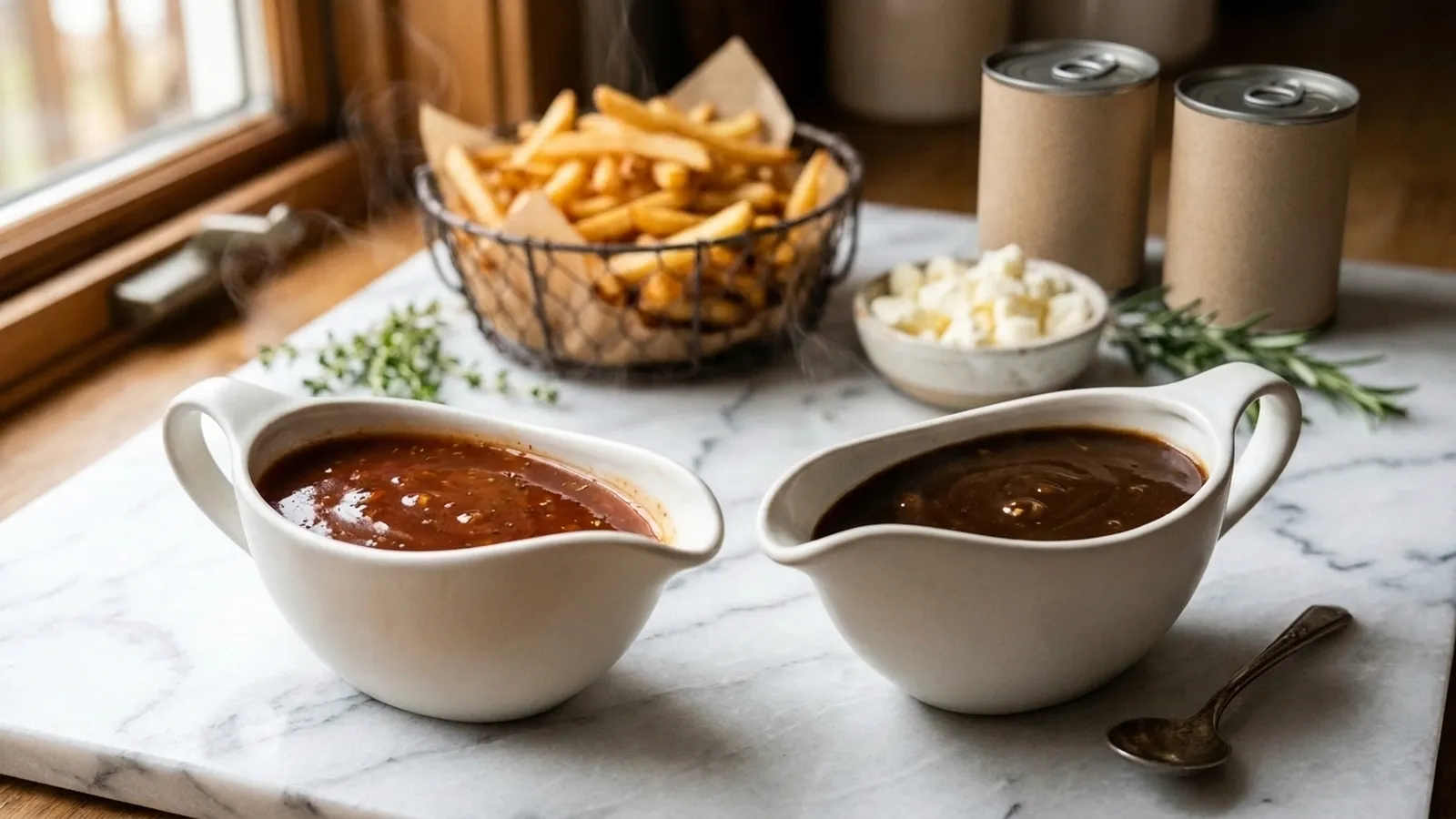
“Ask any born-and-bred Quebecer to name their single favorite bite of a St-Hubert rotisserie chicken dinner, and nine times out of ten, they will not name the drumstick, the seasoned fries, or even the coleslaw. Instead, their eyes will light up as they describe a sacred dining ritual practiced across three generations: picking up that steaming, pillow-soft golden dinner roll (*le petit pain chaud*), tearing it in half, and plunging it headfirst into a ramekin of piping-hot amber BBQ sauce. It is a moment of pure culinary ecstasy that borders on cultural obsession in French Canada. Yet behind this humble cloud of dough lies a fascinating blend of commercial baking science, passionate dining folklore, and recent consumer fury over $1.50 extra-charge fees on delivery apps. Here is the secret history of St-Hubert's iconic dinner roll, the sensory science behind the dip, and the foolproof copycat bakery recipe to make them fresh at home.”
1. The Sacred Quebec Table Ritual: 'La Meilleure Partie du Repas'
In the pantheon of comfort food traditions, few table rituals are as widely shared across Quebec as the St-Hubert bread dip. Whether sitting in a vinyl booth at a 1970s roadside rôtisserie or unboxing takeout on a snowy Friday evening, the choreography is identical.
Before the chicken is even half-consumed, diners instinctively reach for the small round bun resting beside the fries. It arrives warm to the touch, with a polished golden-amber dome that yields effortlessly under thumb pressure. When torn open, it releases a delicate plume of yeasty steam, revealing an impossibly white, feathery interior.
Diners then engage in one of two distinct techniques: the 'Plate Wiper' (using the torn bread half to squeegee every last drop of roasting juices and stray sauce from the china) or the 'Deep Dunker' (submerging the entire bun directly into the warm sauce cup until the sponge-like crumb is heavy, glistening, and saturated). On r/Quebec and r/montreal, threads debating St-Hubert inevitably feature users declaring that the sauce-soaked bread is unequivocally 'la meilleure partie du repas' (the best part of the meal).
Cultural Heritage
For over 70 years, the St-Hubert dinner roll has served as the universal vehicle for enjoying the brand's iconic sauce. Wiping the plate clean with bread is an essential part of the dining experience.
2. Anatomy of the Bun: What Kind of Bread Is It Really?
Culinary outsiders often assume the St-Hubert bun is simply a standard American hamburger roll or dinner roll. That assumption completely misses its distinct French-Canadian bakery heritage.
The St-Hubert bun is an enriched brioche-style milk roll (*pain brioché de ménage*). Unlike lean breads (like baguettes) made purely of flour, water, salt, and yeast, enriched dough incorporates whole milk, eggs, sugar, and butter or vegetable shortening.
This fat and sugar enrichment accomplishes three crucial culinary functions:
1. Crumb Softness: Fat coats the gluten strands during kneading, preventing them from forming tough, chewy elastic networks. The result is a feather-light, pillowy crumb with virtually zero chewing resistance.
2. Moisture Retention: The milk proteins and sugar hygroscopically attract moisture, allowing the bun to remain soft even after sitting in a restaurant warming drawer.
3. The Golden Gloss: Right before sliding into industrial ovens, the dough balls are brushed with a delicate egg wash, which caramelizes into a glossy, amber-tinted exterior shield that seals in internal steam.
3. Commercial Bakery Origins: Where Does St-Hubert Get Their Buns?
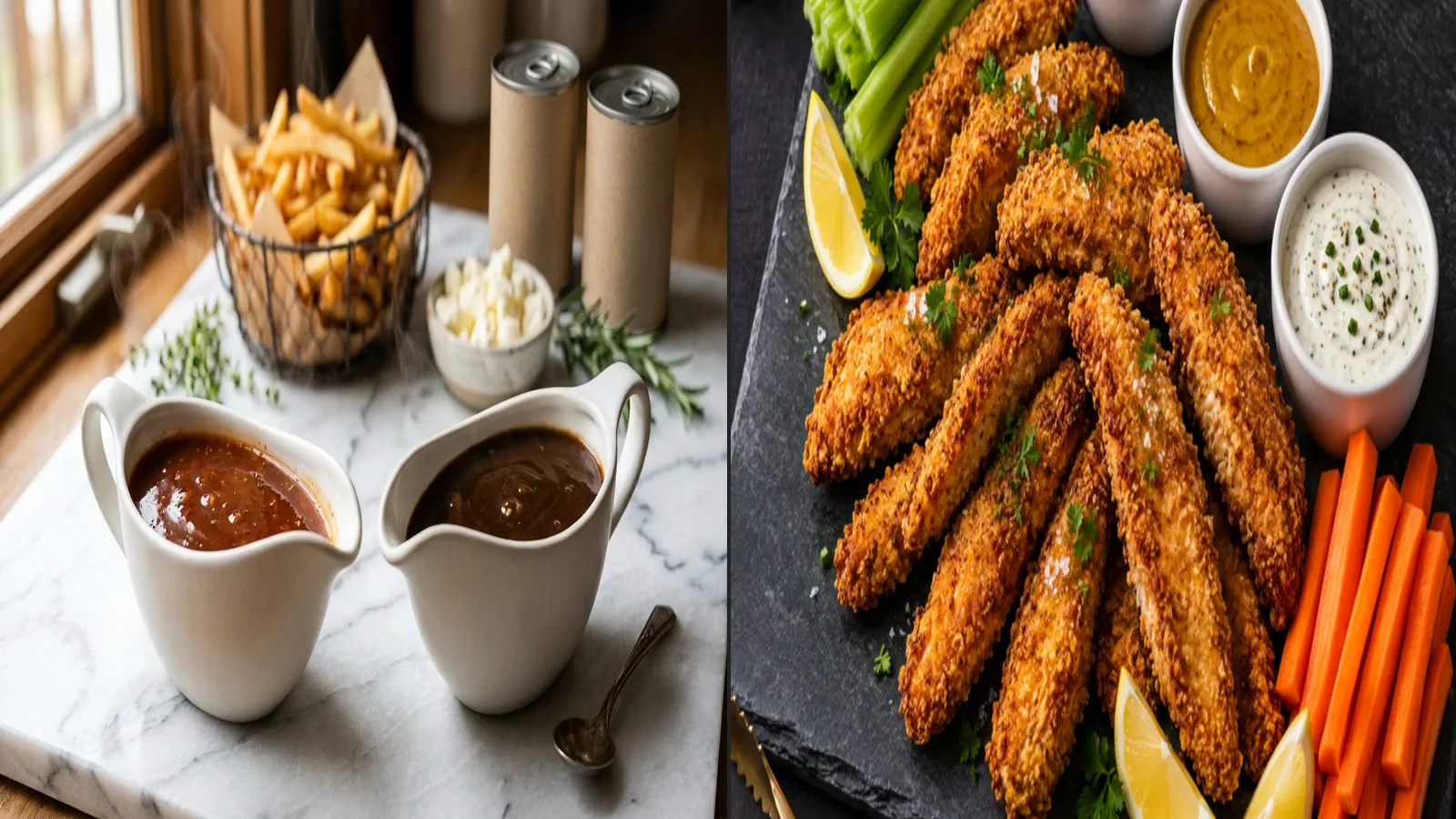
Contrary to romantic folklore, St-Hubert restaurants do not have in-house bakers kneading dough at 5:00 AM in the kitchen. In an enterprise serving millions of meals annually across 120+ locations, consistency requires industrial bakery partnerships.
Historically, St-Hubert has contracted with premier commercial bakeries in Quebec (such as Bimbo Canada / Gadoua or Weston Foods) to produce the buns under proprietary corporate specifications. The rolls are baked in massive commercial deck ovens, cooled, packaged in sealed commercial master-cases, and delivered directly to restaurants multiple times a week.
The restaurant's secret to serving them piping-hot lies in the kitchen's heated holding drawers (*tiroirs chauffants*). Line cooks place trays of fresh rolls inside gently humidified warmers set to roughly 140°F (60°C). This gentle warmth reactivates the fat in the crumb without baking the bread further, ensuring that the bun hits your plate with that freshly baked, pillow-soft warmth.
4. The $1.50 Extra Charge Controversy: Outrage on Reddit
While the bun itself remains beloved, recent changes to how St-Hubert prices and rations extra bread have ignited furious backlash across social media forums like r/Quebec and r/povertyfinancecanada.
For decades, St-Hubert was renowned for its easygoing generosity. If a family ran out of bread, asking your server for 'deux petits pains de plus' was met with a smile, and extra buns were often provided free of charge or billed at a nominal 25 or 35 cents.
In recent years, however, corporate computerized point-of-sale systems and delivery platform fee structures have turned the humble bun into a lucrative profit center. Today, if you want an extra pair of dinner rolls when ordering delivery via the St-Hubert app or third-party platforms like Uber Eats, you are charged an eye-watering $1.25 to $1.50+ for two tiny rolls!
Redditors have voiced intense frustration over this perceived nickel-and-diming. Charging $1.50 for a few cents' worth of flour, water, and yeast on top of an already expensive $24.00 quarter-chicken plate has become a prominent symbol of post-pandemic restaurant shrinkflation.
The Reddit Backlash
Charging up to $1.50 for extra dinner rolls on delivery apps has sparked intense criticism on r/Quebec, with users lamenting the loss of traditional rôtisserie generosity.
5. The Sensory Chemistry: Why Bread + BBQ Sauce Is So Addictive
Why is dipping white bread into BBQ sauce so universally satisfying? Food sensory scientists point to a phenomenon known as 'dynamic contrast' and lipid-starch binding.
St-Hubert's signature BBQ sauce is an emulsified blend of tomato paste, brown sugar, molasses, cider vinegar, and warm spices (cloves and cinnamon). On its own, the sauce is boldly acidic and sweet.
When you dunk the soft, buttery dinner roll into the sauce, the open-cell starch structure of the crumb acts as an instantaneous capillary wick. The bread absorbs the sauce, but as you chew, the butterfat and milk solids in the bread coat your tongue. This fat layer immediately blunts the sharpness of the cider vinegar while amplifying the warm, comforting notes of clove, cinnamon, and caramel.
The resulting sensation is textural perfection: warm, yielding, sweet, savory, and silky smooth, requiring virtually zero jaw effort to enjoy. It triggers intense dopamine release in the brain—the exact definition of culinary comfort.
6. The Ultimate Homemade Copycat St-Hubert Dinner Roll Recipe
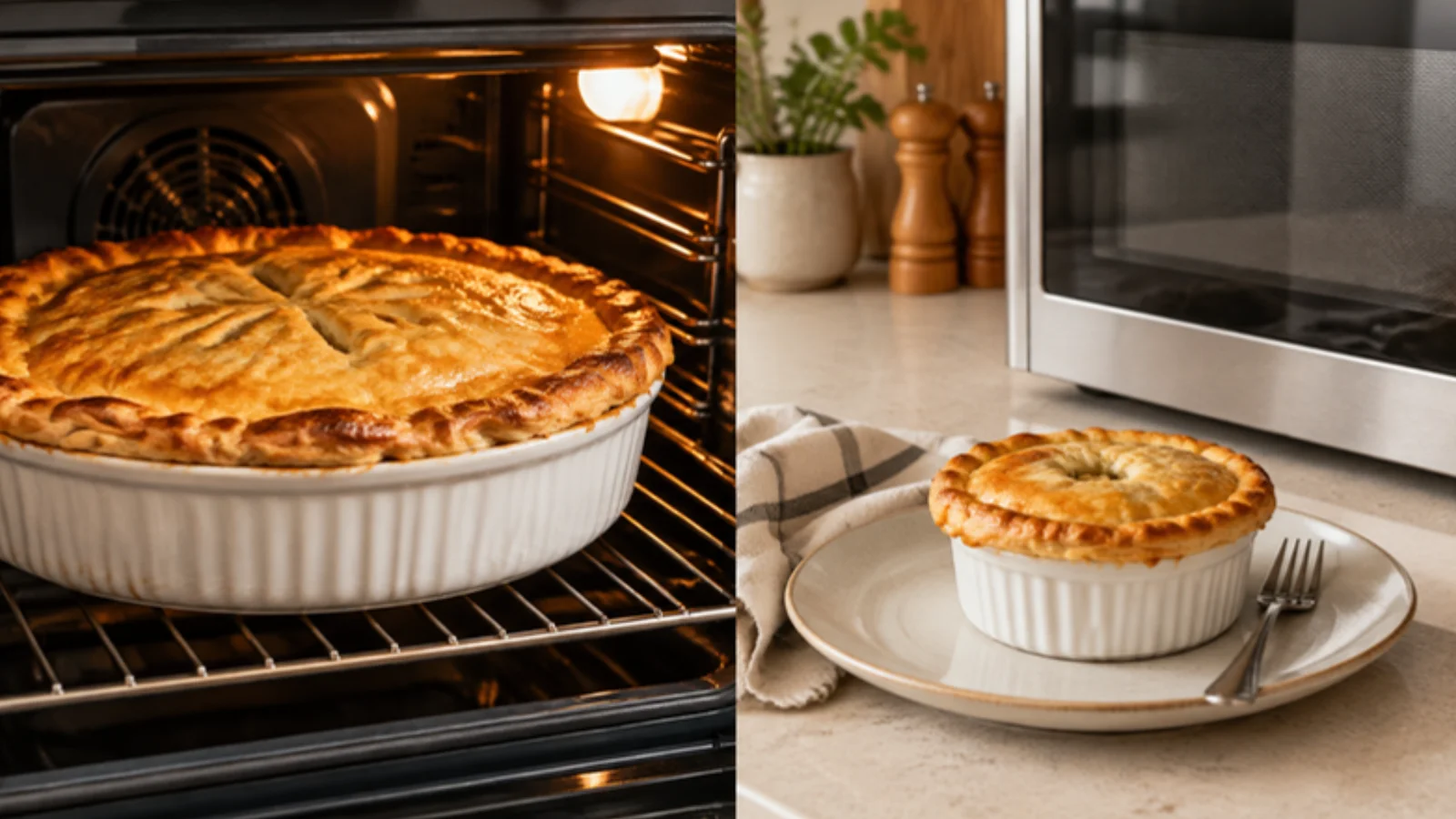
If you want to enjoy fresh, piping-hot St-Hubert-style dinner rolls without paying $1.50 for extras, this verified bakery copycat recipe yields 12 impossibly soft, golden rolls straight from your own oven.
Ingredients:
• 3 cups (375g) all-purpose or bread flour
• 1 cup (240ml) warm whole milk (105°F / 40°C)
• 2 ¼ tsp (1 packet / 7g) instant yeast
• 3 tbsp (40g) granulated sugar
• 1 large egg, room temperature
• 4 tbsp (60g) unsalted butter, softened
• 1 tsp (6g) fine sea salt
• Egg wash: 1 egg yolk beaten with 1 tbsp milk
• Finishing: 2 tbsp melted salted butter
Step-by-Step Instructions:
1. The Dough: In a stand mixer fitted with the dough hook, combine warm milk, yeast, sugar, egg, and 1 cup of flour. Let sit for 5 minutes until frothy. Add remaining flour, softened butter, and salt. Knead on medium-low speed for 7 to 8 minutes until a smooth, shiny, slightly tacky dough forms.
2. First Rise: Place dough in a greased bowl, cover with a damp cloth, and let rise in a warm spot for 60 minutes until doubled in bulk.
3. Shaping: Punch dough down and divide into 12 equal portions (approx. 60g each). Roll each piece into a tight, smooth sphere by cupping your hand over the dough on an unfloured counter and rolling in circular motions.
4. Second Rise: Arrange the 12 balls in a greased 9x13-inch baking dish, leaving a small gap between them. Cover and let rise for 35 to 45 minutes until puffy and touching.
5. Bake: Gently brush the tops with the egg wash. Bake at 375°F (190°C) for 14 to 16 minutes until the tops are deeply golden and shiny.
6. The Restaurant Secret: The instant the rolls emerge from the oven, brush their hot tops generously with melted salted butter. Serve warm with authentic St-Hubert canned BBQ sauce!
7. Nutritional Profile: The Calorie Reality of Multiple Buns
While dinner rolls feel light and airy as clouds, their enriched recipe means they are calorie-dense. Knowing their nutritional profile helps you track your meal accurately.
A single standard St-Hubert dinner roll contains approximately 140 calories, with 24 grams of refined carbohydrates and 210 mg of sodium. If you order an extra basket of two rolls and drench them in BBQ sauce (each 2 oz ramekin of sauce adds another 60 calories and 12g of sugar), you can easily add 350 to 400 calories of pure starch and sugar to your dinner.
Here is the detailed nutritional breakdown for a single St-Hubert dinner roll:
| Nutritional Metric | Single Dinner Roll (45g) | % Daily Value (DV) | Dietary Context |
|---|---|---|---|
| Calories | 140 kcal | 7% | Dense energy from flour and butter |
| Total Carbohydrates | 24 g | 9% | Refined wheat flour starches |
| Dietary Fiber | 1 g | 4% | Minimal fiber content |
| Sugars | 3 g | 6% | Added sugar to aid yeast fermentation |
| Total Fat | 3.5 g | 5% | Derived from butter/shortening enrichment |
| Saturated Fat | 1.5 g | 8% | Dairy fat providing tender crumb |
| Protein Content | 4 g | 8% | Wheat gluten and milk protein |
| Sodium Level | 210 mg | 9% | Moderate salt balancing sweetness |
8. Final Verdict: The Soul of Quebec Comfort Dining
The St-Hubert 'petit pain chaud' is far more than a simple side item; it is the culinary glue that binds three generations of Quebecers to their rôtisserie heritage. While recent corporate pricing policies charging $1.50 for extra buns have tested consumer goodwill on social media, the pure joy of dipping a steaming, pillow-soft roll into that glossy amber BBQ sauce remains untarnished. Whether you savor it at your local dining room booth or bake a fresh batch of golden copycats in your own kitchen on a cold Sunday afternoon, this humble dinner roll will forever hold a sacred place in the heart of Quebec gastronomy.
Frequently Asked Questions
What kind of bread is the St-Hubert dinner roll?
The St-Hubert dinner roll is an enriched, commercial yeast roll similar to a soft French-Canadian pain de ménage or mild brioche. It is enriched with whole milk, sugar, butter or vegetable shortening, and glazed with an egg wash before baking to create its characteristic glossy golden top and feathery white interior.
Where does St-Hubert get its dinner rolls?
St-Hubert sources its rolls from large-scale commercial industrial bakeries in Quebec (such as Bimbo Canada / Gadoua or Weston bakeries) under custom corporate food service specifications. The rolls are delivered fresh or par-baked and kept warm in humidified kitchen holding drawers right up until they are plated.
How much does St-Hubert charge for extra bread rolls?
While each rotisserie chicken meal comes standard with one roll, ordering additional rolls now costs roughly $1.25 to $1.50+ for a pair on official delivery platforms and third-party delivery apps like Uber Eats and DoorDash. This has sparked widespread complaints on social media regarding restaurant shrinkflation and extra fees.
Can you buy St-Hubert dinner rolls in grocery stores?
While St-Hubert sells its canned sauces, frozen pies, and seasonings in supermarkets across Canada, it does not sell retail-branded bags of its dinner rolls in the bakery aisle. However, buying commercial soft brioche dinner rolls or enriched potato rolls (like Gadoua or Dempster's) and warming them with a brush of butter provides an almost identical experience.
How do you reheat St-Hubert dinner rolls without making them hard?
Never heat dinner rolls dry in a high-powered microwave, which dries out starch molecules and turns bread rock-hard within 60 seconds. Instead, wrap the roll in a lightly damp paper towel and microwave on 50% power for 8 to 10 seconds. Alternatively, warm them in a 300°F (150°C) oven or toaster oven wrapped in aluminum foil for 4 to 5 minutes.
Compare 2026 St-Hubert Dining Room Prices
Browse our quarterly verified prices for rotisserie chicken platters, baby back ribs, and Midi-Go lunch specials.
More Canadian Food Comparisons

St-Hubert Sauce vs Swiss Chalet Sauce: The Definitive 2026 Canadian Taste & Ingredient Test
Explore the culinary science, spices, clove vs tomato-herb balance, nutrition facts, and grocery prices between St-Hubert BBQ sauce and Swiss Chalet sauce.
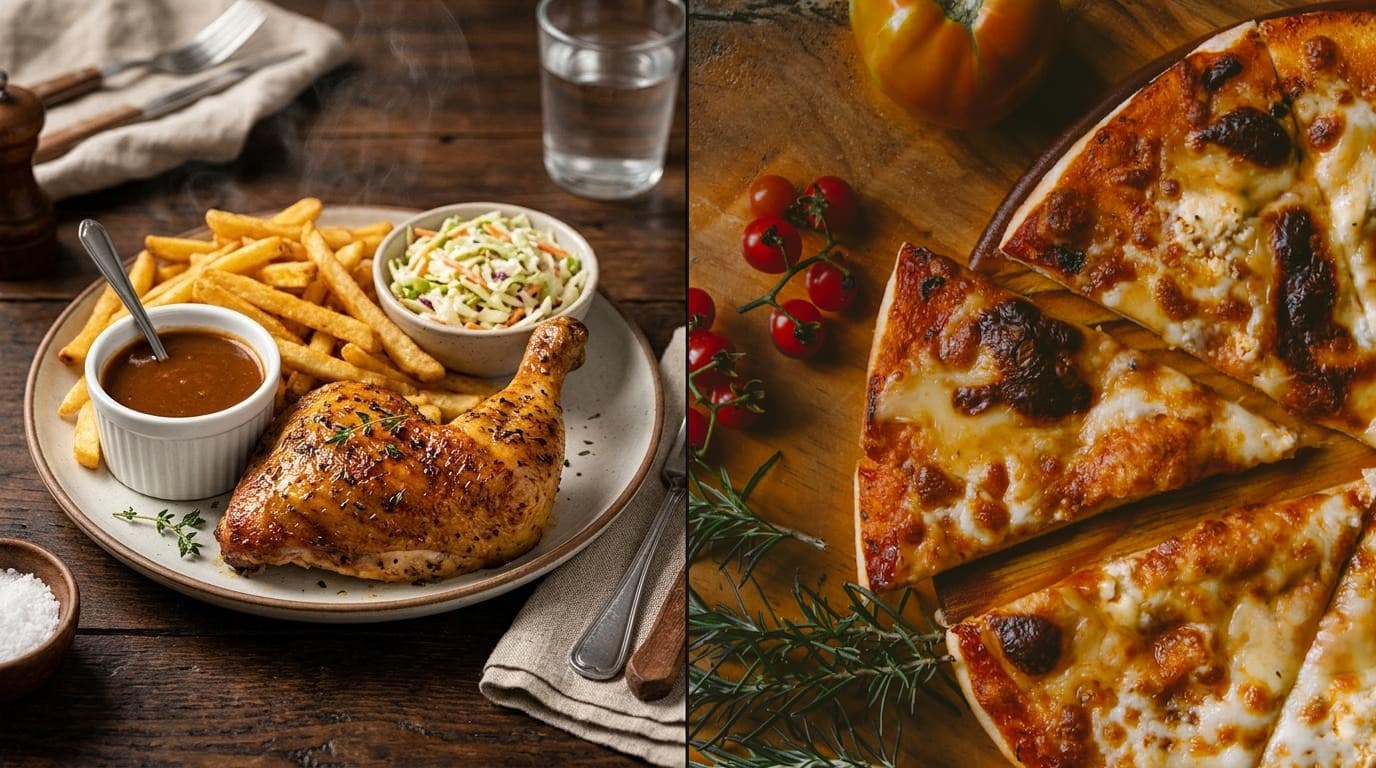
St-Hubert vs Boston Pizza: Canadian Casual Dining & Family Showdown (2026)
Compare St-Hubert's Quebec rotisserie chicken and fall-off-the-bone ribs against Boston Pizza's gourmet pizzas, Cactus Cut potatoes, and sports bar vibe.