The St-Hubert Hot Chicken Sandwich Mystery: Why Untoasted White Bread & Canned Peas? (And The Anti-Sogginess Hack)
Unraveling the 1950s working-class origins of Quebec's soggified comfort icon, the sensory science of sweet peas vs poultry gravy, and the secret ordering code that keeps takeout from turning into mush.
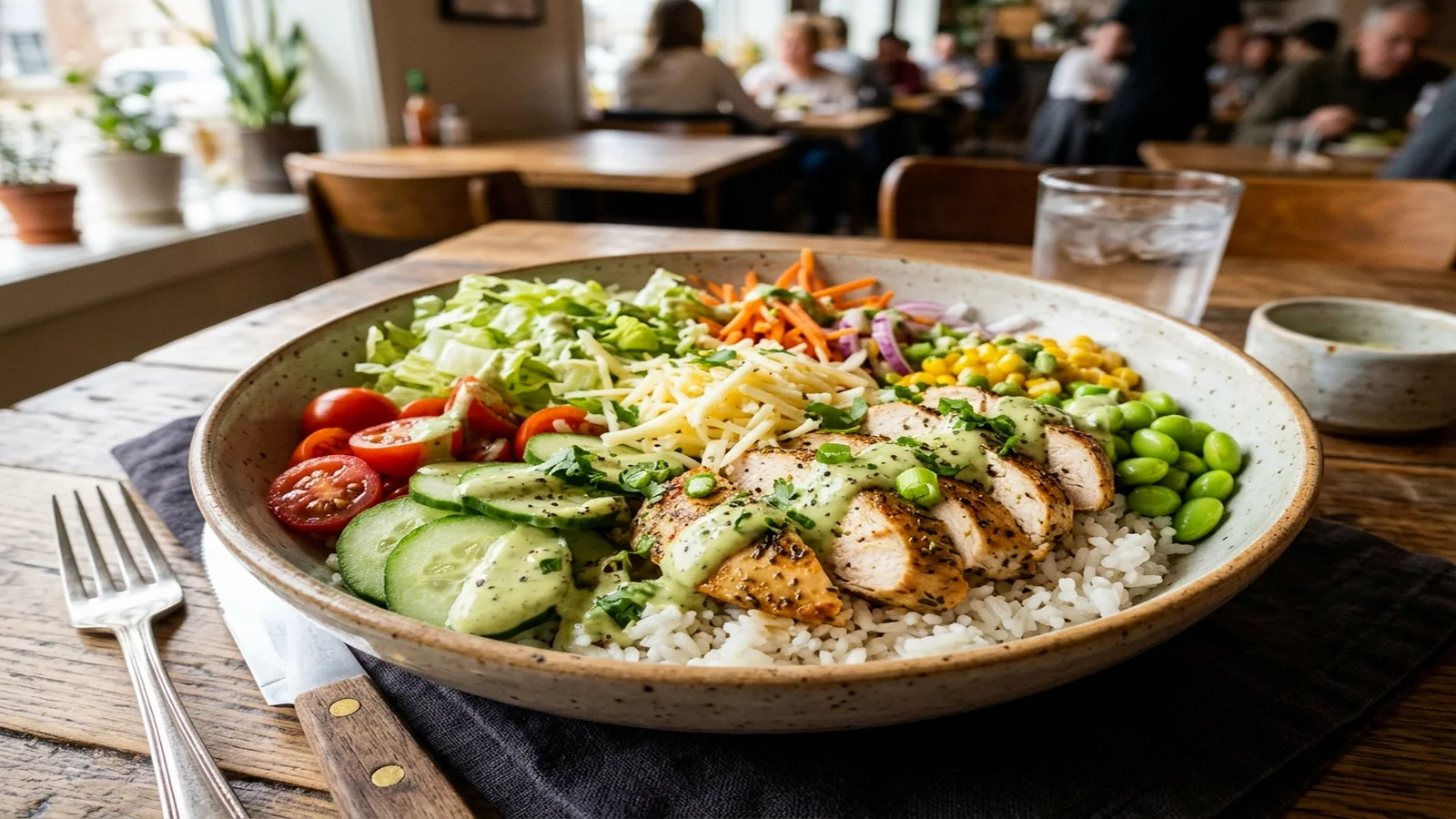
“To anyone outside of Quebec or Eastern Canada, the concept of a 'Hot Chicken' sounds like a spicy fried sandwich designed to sear your tongue. But to any born-and-bred Quebecer, the words evoke a deeply comforting, distinctly nostalgic ritual: a generous mountain of tender pulled rotisserie chicken tucked between two slices of plain white sandwich bread, completely drowned in a tidal wave of velvety poultry gravy, and crowned with a bright green blanket of sweet peas. Eaten strictly with a knife and fork, it is the crowning glory of Quebec casse-croûte diner culture. Yet, behind its unassuming comfort lies a fiercely debated set of culinary rules: Why must the white bread remain stubbornly untoasted? Why are green peas an inviolable component? And how can you prevent delivery from turning this beloved meal into an unappetizing puddle of lukewarm dough? Here is the culinary history, sensory science, and ordering hack behind St-Hubert's legendary Hot Chicken Sandwich.”
1. The Anatomy of a Quebec Icon: What Makes It a True 'Hot Chicken'?
The Quebec Hot Chicken sandwich has virtually nothing in common with its American cousins. You will not find cayenne-spiced breading, brioche buns, or crunchy dill pickles. Instead, the Hot Chicken is a knife-and-fork diner classic that was born in the factory-side lunch counters and rural taverns of Quebec during the mid-20th century.
When St-Hubert opened its doors on Saint-Hubert Street in Montreal in 1951, the founders quickly realized that while whole and quarter rotisserie chickens were the main attraction, customers also craved affordable, fast-prep lunches that made full use of every ounce of roasted meat.
The anatomy of the authentic St-Hubert Hot Chicken consists of four distinct strata: a bottom foundation of soft white sliced sandwich bread; a warm, generous pile of shredded and carved rotisserie chicken (a balanced blend of white breast meat and juicy dark leg meat); a top lid of soft white bread; a cascading pour of steaming, starch-thickened poultry gravy; and finally, a generous handful of tender green garden peas scattered over the apex. Served with a side of golden French fries and a dish of coleslaw, it is comfort dining in its purest form.
Knife & Fork Territory
Never attempt to pick up a Hot Chicken sandwich with your hands. The entire creation is designed to be eaten with a fork and steak knife, savoring every gravy-soaked bite like savory bread pudding.
2. The Untoasted White Bread Rule: Why Toasting Was Considered Sacrilege
The single biggest point of confusion for visitors to Quebec diners is the bread. Why use cheap, pre-sliced commercial white bread (such as Wonder Bread or Pom), and why on earth is it never toasted?
The answer lies in the historical sociology of Quebec comfort food and the fluid dynamics of starch. In 1950s working-class homes, fresh white sandwich bread (*pain de ménage blanc*) was cheap, accessible, and beloved for its softness. When factory workers and laborers ducked into a diner for a quick, warming midday meal, they wanted food that felt heavy, warm, and easy to eat.
Culinary chemistry explains why purists strictly forbid toasting: un-toasted white bread features an open, highly porous crumb with delicate gluten structures. When boiling-hot gravy is ladled across the top, the bread acts as an instantaneous capillary sponge. It absorbs the savory chicken drippings and swells without resisting, fusing with the shredded chicken meat into a velvety, cohesive texture.
If you toast the bread, you create a hardened, dehydrated outer crust. When gravy hits toasted bread, it rolls off the sides rather than absorbing inward, leaving the interior of the slice dry while turning the exterior crust unpleasantly leathery. The soft, untoasted crumb is a calculated, intentional culinary texture.
3. The Great Canned Peas Debate: Decoration or Essential Flavor Chemistry?

Perhaps the most visually striking hallmark of the Quebec Hot Chicken is the vibrant scatter of green peas cascading down the sides of the sandwich. Internet food reviewers frequently ask: 'Are the peas just an 80-year-old diner garnish, or do they serve an actual purpose?'
The truth is grounded in sensory science and flavor balancing. A traditional rotisserie chicken dinner with gravy and fries is an intensely savory, umami-heavy, high-fat, high-sodium affair. Between the salt in the roasted chicken skin, the rendered poultry fat, the starch in the bread, and the rich meat stock of the gravy, the palate quickly experiences sensory fatigue.
Enter the humble green pea. Green peas (historically canned Le Sieur or tender sweet baby peas) are packed with natural sucrose, water, and crisp dietary fiber. When you pierce a bite with your fork containing chicken, gravy, soft bread, and two or three peas, the peas pop in your mouth, releasing a burst of clean, sweet moisture.
This natural sweetness directly counteracts the heavy sodium and gelatin of the gravy, resetting your taste buds and cutting through the animal fat. Far from being a lazy decorative choice, the green peas are the essential acidic/sweet counterweight that makes the entire heavy dish work.
The Sweet-Savory Balance
Without the sweet green peas, the Hot Chicken sandwich would be overwhelmingly salty and heavy. The peas provide the necessary sweetness and textural burst that completes the flavor profile.
4. Sauce Showdown: Traditional Hot Chicken Gravy vs Signature BBQ Sauce
When you order a Hot Chicken Sandwich at St-Hubert, you are presented with a crucial culinary choice that divides Quebec families: Which sauce do you want ladled over your plate?
The Purist Choice: Sauce Hot Chicken (Velvety Brown Poultry Gravy). This is the traditional, diner-style sauce prepared from roasted poultry and veal stock, simmered with caramelized onions, cracked black pepper, and bay leaf. It is deeply savory, comforting, and lets the authentic rotisserie flavor of the chicken shine without competing sweetness.
The St-Hubert Loyalist Choice: Sauce BBQ Traditionnelle. St-Hubert's world-famous amber rotisserie sauce brings a sweet, tangy, and spiced profile dominated by tomato paste, vinegar, molasses, and notes of cloves and cinnamon. Pouring BBQ sauce over white bread creates a much bolder, sweet-and-sour profile that pairs surprisingly well with the green peas.
Our Tasting Recommendation: For the true, authentic mid-century diner experience, stick with the traditional Sauce Hot Chicken. However, if you are a lifelong devotee of St-Hubert's amber BBQ sauce, asking for a side cup of BBQ sauce allows you to dip your fries while keeping the sandwich enveloped in savory brown gravy.
5. The Delivery Dilemma: The Physics of Soggy Cardboard Boxes
While enjoying a Hot Chicken Sandwich in a St-Hubert dining room is pure comfort, ordering it for home delivery has broken the hearts of thousands of hungry diners. Why is the delivery version so notoriously prone to disaster?
The issue comes down to thermal retention and time. In the restaurant, the cook assembles the sandwich, ladles boiling gravy, and a server brings it to your table in less than 45 seconds. The bread has absorbed gravy, but its cellular walls are still structurally intact.
During takeout or delivery, that same assembly is placed into a closed cardboard container and tucked inside an insulated delivery bag for 25 to 35 minutes. At 175°F (80°C) with trapped steam, the bread does not simply absorb the gravy—it completely dissolves. The crumb breaks down into a lukewarm, gummy wallpaper-paste mash, the peas turn wrinkly and mushy, and the chicken loses all its texture. Opening that box at home often feels like uncovering culinary porridge.
6. The Anti-Sogginess Hack: The Secret 5-Word Ordering Code
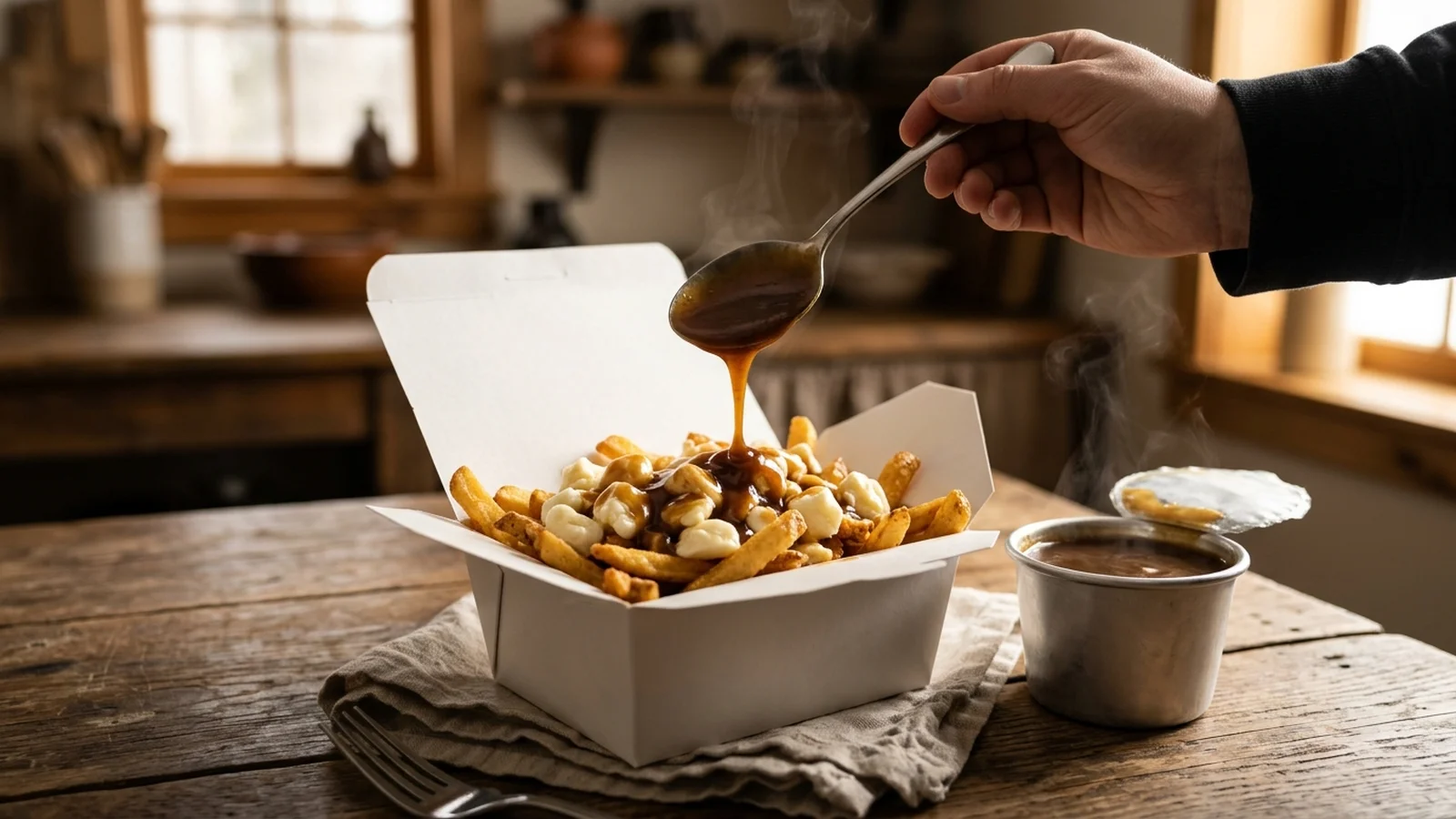
Fortunately, veteran Quebec foodies and St-Hubert line cooks have developed a foolproof solution that eliminates delivery sogginess completely. You do not have to forfeit the Hot Chicken when ordering from your couch.
The Secret Ordering Phrase: When placing your order via the St-Hubert app, website, or over the phone, locate the special instructions box for the Hot Chicken dish and type: 'Sauce et petits pois à part, s'il vous plaît' (Sauce and peas on the side, please).
What the kitchen will do: Line cooks will place your shredded rotisserie chicken between the two slices of dry white bread in the main container. They will pour your piping-hot gravy into an 8 oz insulated soup cup with a sealed lid, and package your warm green peas in a separate small container.
The 60-Second At-Home Assembler:
1. Plate the dry chicken sandwich on a microwave-safe or oven-safe plate. If you like, pop it into a toaster oven at 350°F (175°C) for 2 minutes to warm the meat and give the bread a faint warmth.
2. Ensure your gravy is boiling hot (give it 25 seconds in the microwave if it cooled during delivery).
3. Generously ladle the steaming gravy over the sandwich right at your kitchen table.
4. Scatter the warm green peas over the top.
Result: You enjoy the exact same glorious, velvety, freshly absorbed texture as a dining room customer, with zero gummy cardboard mush!
The Golden Delivery Code
Always write 'Sauce et petits pois à part' in the delivery instructions. Pouring the hot sauce at home preserves the integrity of the bread and guarantees restaurant-quality texture.
7. Nutritional Profile & Macro Breakdown: The Hot Chicken Dinner
The Hot Chicken Sandwich is classic Quebec comfort food—filling, warm, and dense. Understanding its nutritional composition helps you balance the meal within your daily intake.
A complete St-Hubert Hot Chicken dinner served with traditional brown gravy, sweet green peas, seasoned French fries, and traditional vinegar coleslaw contains approximately 890 to 980 calories.
Here is the verified macronutrient breakdown for the standard Hot Chicken plate:
With 46 grams of lean protein from shredded rotisserie chicken breast and thigh meat, the sandwich provides substantial satiety. The sodium content (1,480 mg) reflects the generous ladle of savory poultry gravy and salted fries. To lighten the meal, opting for a side garden salad instead of fries and using traditional vinegar coleslaw cuts nearly 300 calories and 400 mg of sodium.
| Nutritional Metric | Hot Chicken Sandwich Plate | % Daily Value (DV) | Dietary Context |
|---|---|---|---|
| Calories | 920 kcal | 46% | Substantial, energy-dense comfort meal |
| Protein Content | 46 g | 92% | Excellent high-protein rotisserie chicken foundation |
| Total Fat | 34 g | 44% | Derived from gravy, chicken skin, and fries |
| Saturated Fat | 7 g | 35% | Moderate animal fat profile |
| Carbohydrates | 106 g | 39% | White bread, green peas, and potato fries |
| Dietary Fiber | 8 g | 29% | Provided by green peas and potato skins |
| Sugars | 14 g | 28% | Natural sweetness from garden peas |
| Sodium | 1,480 mg | 64% | Concentrated in the savory brown poultry sauce |
8. Final Verdict: Savoring a Living Legend of Quebec Gastronomy
The St-Hubert Hot Chicken Sandwich is a living relic of mid-century Quebec diner culture that has rightfully earned its place alongside poutine and tourtière. Its untoasted white bread is not laziness, but a brilliant absorbent sponge designed to hold savory poultry gravy; its sweet green peas are not random decoration, but a vital sensory palate cleanser that cuts through animal fat and salt. While ordering it for delivery used to guarantee a disappointing box of dissolved mush, the simple 'Sauce et petits pois à part' trick restores this magnificent comfort dish to its rightful glory. Next time you crave comfort on a chilly evening, grab your knife and fork and embrace Quebec's warmest tradition.
Frequently Asked Questions
What is the difference between a Quebec Hot Chicken and Nashville Hot Chicken?
Nashville Hot Chicken is a deep-fried piece of chicken coated in a fiery cayenne pepper and brown sugar chili paste, served dry on a bun with pickles. Quebec Hot Chicken is a mild, comforting diner dish made with shredded rotisserie chicken between plain white sandwich bread, completely smothered in rich, non-spicy poultry gravy (sauce brune) and topped with sweet green peas, eaten with a knife and fork.
Can I get my St-Hubert Hot Chicken sandwich with toasted bread?
Yes. While standard diner tradition calls for soft, untoasted white bread (pain blanc non grillé), you can request 'pain grillé' (toasted bread) in the special instructions when ordering at St-Hubert dining rooms, counters, or online. Lightly toasting the bread creates a light moisture barrier that prevents the crumb from dissolving too quickly under heavy gravy.
Why are green peas put on top of a Hot Chicken sandwich?
Beyond adding vibrant color to an otherwise monochrome brown-and-white plate, green peas provide essential culinary contrast. Poultry gravy and rotisserie chicken are heavily savory, salty, and fatty. The delicate, natural sweetness and bursting juiciness of the peas cleanse the palate and balance the rich starch of the bread and gravy.
What sauce does St-Hubert use for the Hot Chicken Sandwich?
St-Hubert defaults to its traditional Hot Chicken brown gravy (Sauce Hot Chicken), which is a savory, chicken-and-veal stock gravy seasoned with cracked pepper and onions. However, customers can also request St-Hubert's signature sweet-and-sour BBQ sauce (Sauce BBQ) if they prefer the brand's iconic clove-cinnamon amber profile.
How do you keep St-Hubert Hot Chicken from getting soggy during delivery?
Always type 'Sauce et petits pois à part, s'il vous plaît' (Sauce and peas on the side) in the kitchen notes. St-Hubert will package the warm shredded chicken sandwich dry in one box, the hot gravy in an insulated cup, and the warm peas separately. When your order arrives, assemble and pour the steaming gravy over the bread immediately before eating.
Compare 2026 St-Hubert Dining Room Prices
Browse our quarterly verified prices for rotisserie chicken platters, baby back ribs, and Midi-Go lunch specials.
More Canadian Food Comparisons

St-Hubert Sauce vs Swiss Chalet Sauce: The Definitive 2026 Canadian Taste & Ingredient Test
Explore the culinary science, spices, clove vs tomato-herb balance, nutrition facts, and grocery prices between St-Hubert BBQ sauce and Swiss Chalet sauce.
St-Hubert vs Boston Pizza: Canadian Casual Dining & Family Showdown (2026)
Compare St-Hubert's Quebec rotisserie chicken and fall-off-the-bone ribs against Boston Pizza's gourmet pizzas, Cactus Cut potatoes, and sports bar vibe.